







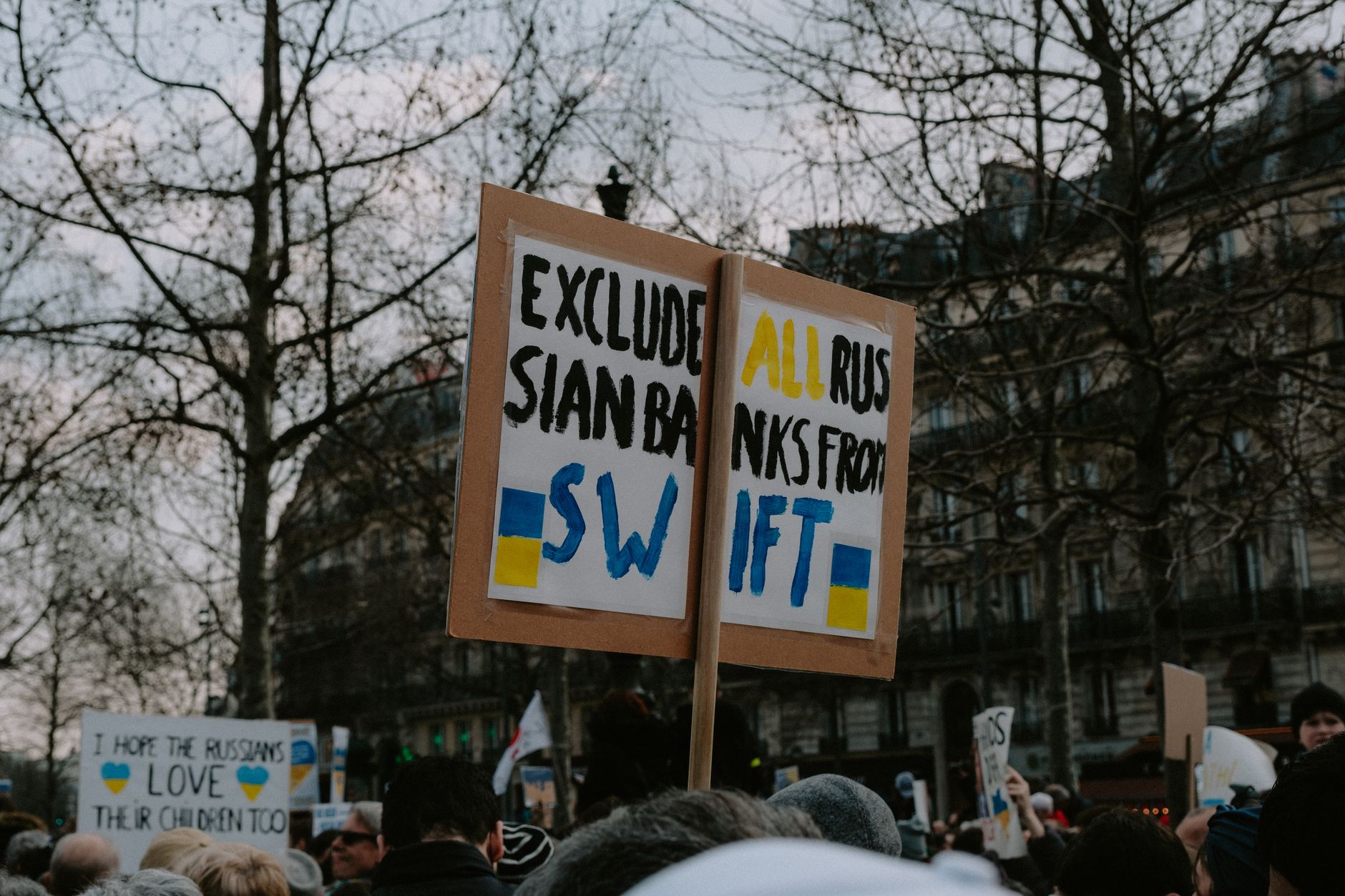
The Russia sanction bill is reshaping international relations and trade dynamics. This article explores its implications for various sectors and the global economy.
Understanding the Russia Sanction Bill
The recent Russia sanction bill has garnered significant attention due to its potential implications on international relations and economic stability. This legislation aims to impose stricter measures against Russia in response to various geopolitical tensions.
Key aspects of the bill include:
- Trade Restrictions: Limiting exports and imports involving certain Russian entities.
- Financial Sanctions: Targeting Russian banks and individuals associated with the government.
- Diplomatic Measures: Reducing diplomatic ties and collaboration on international platforms.
- Impact on Global Markets: Analyzing how these sanctions may affect global supply chains and energy prices.
Overall, the Russia sanction bill reflects a broader strategy to hold nations accountable for their actions and to promote stability in the region.
Impacts on Global Trade
The Russia sanction bill has sparked significant discussions regarding its potential impact on global trade dynamics. As countries reassess their trade relationships, several key effects are emerging:
- Disruption of Supply Chains: Many industries reliant on Russian resources, such as energy and raw materials, face challenges in procuring necessary supplies.
- Increased Prices: The sanctions may lead to higher costs for consumers, as businesses pass on the increased expenses associated with sourcing alternatives.
- Shift in Trade Alliances: Nations may seek new partnerships to circumvent the sanctions, leading to a realignment of global trade networks.
- Impact on Emerging Markets: Countries that depend heavily on Russian exports may experience economic strain and slower growth.
Ultimately, the Russia sanction bill is reshaping the landscape of international commerce, with long-lasting implications for global markets.
Monsoon Retreat: What to Expect
The Russia sanction bill has generated significant discussions not only in political circles but also regarding its potential implications on various sectors. As the monsoon season approaches, there are several factors to consider.
Farmers are eagerly anticipating the retreat of the monsoon, which typically brings a shift in agricultural activities. Here’s what to expect:
- Delayed Harvests: The prolonged rains may affect the timely harvesting of kharif crops.
- Soil Health: Excess moisture can lead to soil erosion and nutrient depletion.
- Market Stability: Fluctuations in crop yields could impact food prices, further complicated by international influences from the Russia sanction bill.
Stakeholders must prepare for these challenges while keeping an eye on the broader economic landscape shaped by geopolitical tensions.
Ladakh’s Autonomy Debate Explained
The debate surrounding Ladakh’s autonomy has gained renewed attention amid discussions about the Russia sanction bill. This legislation has implications that extend beyond international relations, influencing regional governance and autonomy issues within India.
Currently, Ladakh is a Union Territory, and there are calls for greater autonomy to ensure local decision-making and cultural preservation. Many residents feel that their needs are overlooked by the central government, particularly in light of economic challenges exacerbated by global events, including sanctions on Russia.
Key points in the debate include:
- Demand for legislative representation
- Concerns over resource management
- Preservation of local culture and identity
As the Russia sanction bill unfolds, its repercussions may further influence this ongoing dialogue in Ladakh.
Photo by Mathias Reding on Pexels