


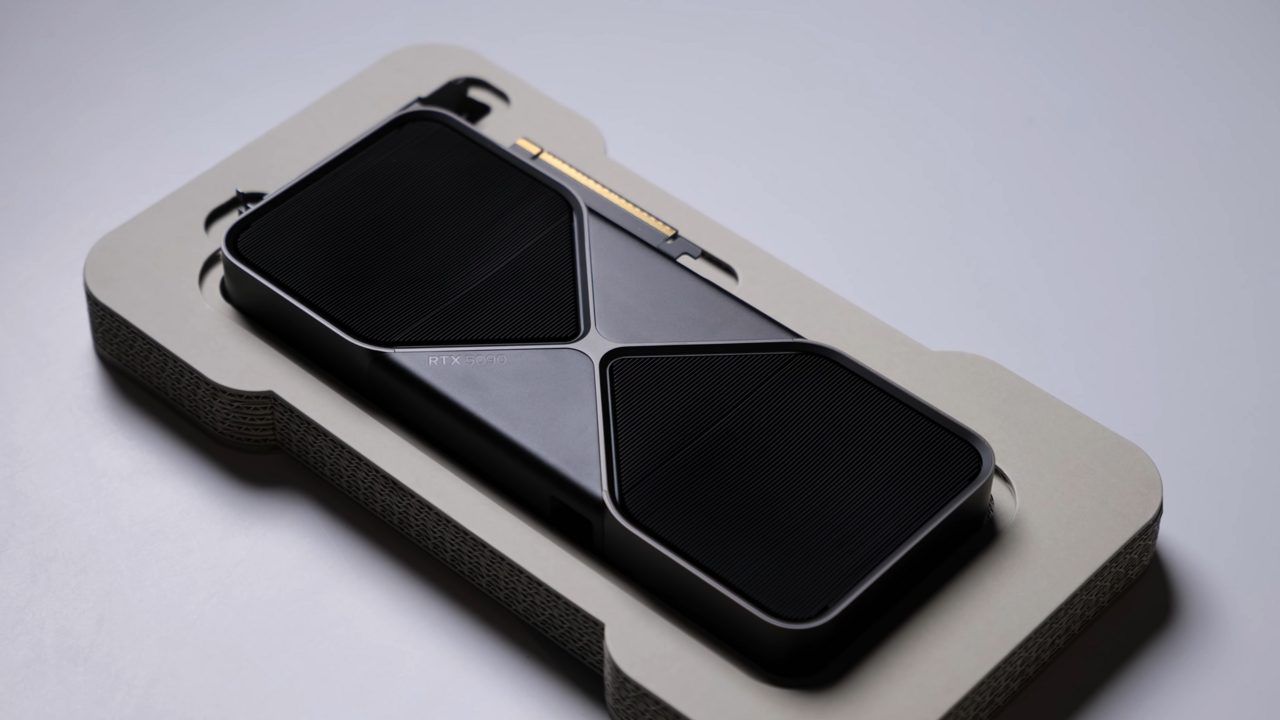
The RTX 5090 connector issue has raised alarms in the tech community after testing ended in a catastrophic failure. Reports indicate power levels exceeding 600 W, leading to significant damage.
Overview of the RTX 5090
The RTX 5090 has been making waves in the gaming community, boasting impressive specifications and performance enhancements. However, recent testing has raised significant concerns regarding a potential connector issue that may jeopardize its reliability. Reports indicate that during DLSS 5 testing, the power consumption of the RTX 5090 surged beyond 600 watts, leading to a catastrophic failure where the connector melted.
As gamers and tech enthusiasts eagerly anticipated the release of this high-performance graphics card, the connector issue has left many disappointed and questioning the engineering behind the device. The RTX 5090 was expected to deliver cutting-edge graphics capabilities, but the unfortunate testing results reveal a critical flaw that could impact its overall performance and longevity.
Users have expressed concerns about the implications of this power draw, highlighting the necessity for adequate cooling systems and robust power supplies. The community is now urging manufacturers to address these issues before the RTX 5090 hits the shelves, ensuring that consumers receive a reliable product that lives up to its hype.
The fallout from these revelations may also influence future designs and safety measures in high-performance gaming hardware.
What is DLSS 5?
DLSS 5, or Deep Learning Super Sampling 5, is the latest iteration of NVIDIA’s advanced upscaling technology designed to enhance gaming performance and visual fidelity. By leveraging artificial intelligence, DLSS 5 allows games to render at lower resolutions while still delivering impressive image quality, making it a game-changer for gamers seeking high frame rates without sacrificing detail.
This technology operates by analyzing frames in real-time, using deep learning algorithms to predict and generate high-quality images. As a result, players can enjoy smoother gameplay even in graphically demanding titles. One of the significant improvements in DLSS 5 is its ability to utilize enhanced neural networks, enabling more accurate image reconstruction and finer details.
However, the recent testing of DLSS 5 has raised concerns, particularly with the RTX 5090 connector issue. Reports indicate that under heavy load, the graphics card experienced overheating, leading to a melted connector. This incident has sparked debates within the gaming community about the reliability of the RTX 5090 when combined with DLSS 5, especially as power consumption exceeded 600 W during testing. Gamers are now left questioning the feasibility of pushing their systems to the limits with this new technology.
Testing procedures explained
The testing procedures for the RTX 5090 were designed to push the graphics card to its limits, simulating extreme conditions to evaluate performance and stability. During the tests, various benchmarks were utilized to assess the card’s capabilities under high loads, particularly focusing on its power consumption and thermal performance.
Initially, the RTX 5090 was subjected to standard gaming scenarios, where it performed admirably. However, as the tests progressed into more demanding workloads, the testing team began to notice concerning anomalies. The power draw frequently exceeded 600 watts, far surpassing the expected limits. This raised alarms about the sustainability of the card under prolonged use, especially concerning the hardware’s integrity.
In addition to gaming benchmarks, synthetic tests were run to simulate stress levels that could occur during heavy rendering tasks. Unfortunately, during one of these tests, a critical failure occurred, leading to the melting of a connector on the RTX 5090. This incident has raised significant concerns regarding the RTX 5090 connector issue, prompting discussions about power delivery and thermal management in high-performance GPUs.
Ultimately, these testing procedures revealed the need for manufacturers to reevaluate their designs to ensure safety and reliability for consumers.
Power consumption concerns
As the latest benchmark tests for the RTX 5090 conclude, significant power consumption concerns have emerged. The GPU has been observed drawing power levels exceeding 600 watts, raising alarms among enthusiasts and industry experts alike. Reports detail incidents where the connector of the RTX 5090 has melted during intensive testing, leading to questions about its durability and reliability under heavy loads.
Many users are left wondering about the implications this has for their systems. The following points summarize the critical aspects surrounding the RTX 5090 connector issue:
- Connector Design: The design may not be adequately equipped to handle the surge in power demands.
- System Compatibility: Users may need to reevaluate their power supply units (PSUs) to ensure compatibility with this GPU’s requirements.
- Thermal Management: High power consumption leads to increased heat, raising concerns about thermal throttling and component longevity.
- Future Updates: Manufacturers may need to issue firmware updates or recommend specific connectors to mitigate these risks.
In light of these developments, potential buyers are urged to consider the implications of the RTX 5090 connector issue before making a purchase decision.
Impact on gaming performance
The recent testing of the RTX 5090 has raised significant concerns regarding its gaming performance, particularly stemming from the RTX 5090 connector issue. As the power requirements for high-end graphics cards continue to escalate, this model has shown alarming results under stress. With power consumption exceeding 600 W during peak performance, the GPU struggled to maintain stability.
Gamers are reporting inconsistent frame rates and unexpected crashes during demanding gameplay. The overheating of the connector not only affects the performance but also leads to potential hardware damage, raising alarms among enthusiasts. Users have expressed frustration as the anticipated advancements in gaming technology seem overshadowed by these reliability issues.
Key factors affecting gaming performance include:
- Thermal Throttling: The GPU’s inability to manage heat efficiently can lead to reduced frame rates.
- Power Delivery: The connector’s failure to handle high wattages results in instability.
- Driver Support: Optimizations for DLSS 5 may not fully alleviate these hardware limitations.
As the gaming community awaits further updates from manufacturers, the implications of the RTX 5090 connector issue continue to echo across forums and review sites.
User reactions to the failure
The recent revelations surrounding the RTX 5090 connector issue have sparked a wave of reactions from users and tech enthusiasts alike. Many are expressing their concerns regarding the reliability and overall safety of the new graphics card. Social media platforms have become a battleground for discussions, with users sharing their personal experiences and frustrations.
- Disappointment: A significant number of users are disappointed with the performance of the RTX 5090, particularly after investing heavily in what was marketed as a cutting-edge product. Many expected superior gaming experiences, but the connector issues have overshadowed these expectations.
- Fear: Some users have voiced fears about overheating and potential damage to their entire systems. The reports of power consumption exceeding 600 W during testing have raised alarms, leading to questions about the long-term viability of the RTX 5090.
- Demand for action: Consumers are now calling for immediate action from manufacturers. Many are urging companies to provide solutions or compensation for those affected by the connector failure, emphasizing the need for accountability in product design.
As discussions continue to evolve, the future of the RTX 5090 hangs in the balance, with user trust wavering amidst these troubling revelations.
Future implications for NVIDIA
The recent RTX 5090 connector issue raises significant concerns about the future of NVIDIA’s graphics card designs and their impact on gamers and developers alike. As the industry moves towards increasingly demanding applications and games, the implications of this failure could ripple throughout the market.
First and foremost, the reliability of high-performance GPUs like the RTX 5090 must be scrutinized. Manufacturers may need to reassess their testing protocols and quality control measures to prevent such critical failures in future releases. This incident could lead to:
- Enhanced engineering standards: NVIDIA may be forced to implement stricter guidelines for power delivery systems to avoid overheating and connector failures.
- Increased consumer skepticism: Gamers may become hesitant to invest in high-end GPUs without reassurances of reliability and performance.
- Potential design changes: Future models might require redesigned connectors or additional cooling solutions to manage the power demands effectively.
Ultimately, how NVIDIA responds to the RTX 5090 connector issue will play a crucial role in maintaining its market dominance and consumer trust in the long run.
Conclusion: Lessons learned
In light of the recent RTX 5090 connector issue, it is imperative to reflect on the lessons learned from this testing debacle. The incident has raised significant concerns regarding the reliability of high-performance graphics cards, particularly as power consumption exceeds the 600 W mark. This not only affects the hardware but also raises questions about the safety and sustainability of future gaming setups.
The failure of the RTX 5090 during testing serves as a stark reminder of the importance of proper engineering and quality control in the development of cutting-edge technology. Users have expressed their frustration, highlighting a disconnect between manufacturers and consumers regarding performance expectations and the actual product experience.
- Testing Protocols: Enhanced testing methods are essential to identify potential flaws before product release.
- Consumer Education: Users must be informed about power requirements and connector compatibility.
- Manufacturer Accountability: Companies should take responsibility for product failures and ensure robust support for affected customers.
Ultimately, the RTX 5090 connector issue underscores the critical need for vigilance in product design and user safety, paving the way for future advancements in the gaming industry.
The recent findings highlight the severity of the RTX 5090 connector issue, raising concerns among users and manufacturers alike. As more tests are conducted, the RTX 5090 connector issue seems to be a critical flaw that could impact performance and reliability.
via Wikimedia Commons