








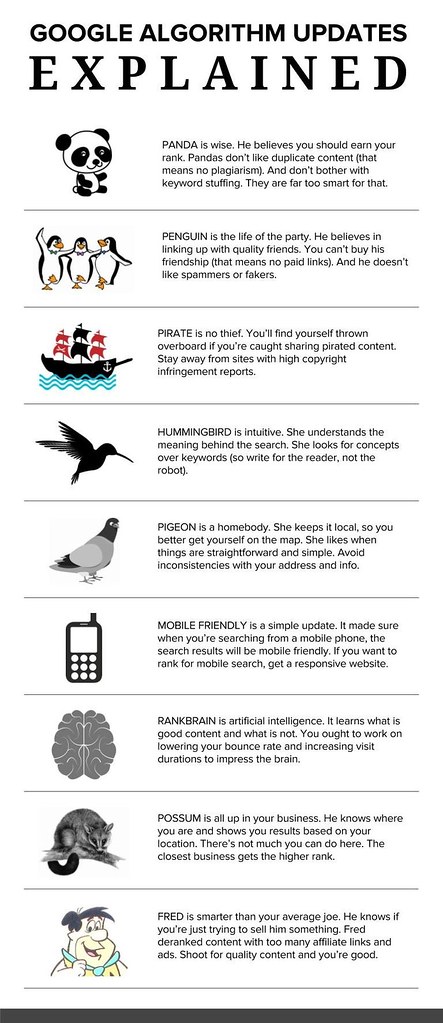
Google Spam Update is crucial for understanding recent changes in image search. This update impacts how images are indexed and displayed in Google Search Console.
What is the Google Spam Update?
The Google Spam Update is a significant algorithm change aimed at enhancing the quality of search results across various platforms, including image search. This update targets websites that employ manipulative techniques to gain an unfair advantage in search rankings. By focusing on reducing spammy content, Google aims to provide users with more relevant and trustworthy results.
In particular, the update affects how images are indexed and displayed in search results. Google uses advanced algorithms to evaluate the authenticity and relevance of images, ensuring that users receive high-quality visuals that align with their search queries. This shift is vital for content creators and website owners who rely on image search for traffic.
According to insights from Google Search Console (GSC), the update has prompted many webmasters to reevaluate their image optimization strategies. Key aspects to consider include:
- Ensuring images are high-resolution and contextually relevant.
- Using descriptive alt text to aid search engines in understanding image content.
- Avoiding excessive keyword stuffing in image file names and descriptions.
Overall, the Google Spam Update heralds a new era for image search, prioritizing quality over quantity.
How does it affect image search?
The recent Google Spam Update has significant implications for image search, particularly regarding how content is indexed and displayed. This update aims to enhance the quality of image results by targeting spammy and low-quality content that may have previously cluttered search results.
One of the primary effects of this update is the emphasis on original and relevant images. Websites that rely on stock photos or duplicate content may see a decline in their visibility. Instead, Google is prioritizing unique images that provide value to users, encouraging content creators to focus on originality.
Additionally, the update alters how images are ranked based on their contextual relevance to search queries. This means that high-quality images accompanying well-written content are more likely to appear at the top of search results. As a result, it is crucial for website owners to refine their SEO strategies, ensuring that images are not only appealing but also closely aligned with the content’s intent.
In summary, the Google Spam Update is a pivotal change for image search, promoting a landscape where quality and relevance take precedence over quantity.
Best practices for adapting to the update
As the Google Spam Update continues to roll out, it is crucial for website owners and content creators to adapt their strategies for image search. Here are some best practices to consider:
- Optimize image file names: Use descriptive and relevant names that reflect the content of the image. This can improve visibility in search results.
- Implement alt text: Provide concise and informative alt text for each image. This helps search engines understand the context and improves accessibility.
- Utilize structured data: Incorporate schema markup to help search engines better understand your images and their relevance to the content.
- Enhance image quality: Use high-resolution images that are visually appealing and relevant to your audience. Quality imagery can lead to higher engagement rates.
- Monitor performance: Use tools like Google Search Console to analyze how your images are performing post-update. Adjust your strategies based on the insights gathered.
By following these practices, you can effectively navigate the changes brought about by the Google Spam Update and ensure your images remain competitive in search results.
Common misconceptions about spam updates
As the Google Spam Update continues to roll out, several misconceptions have emerged that can lead to confusion among webmasters and SEO professionals. Understanding these myths is essential for adapting effectively to the changes.
- Myth 1: The update only targets low-quality websites.
While the focus is on reducing spammy content, it also impacts sites with misleading practices, regardless of their perceived quality.
- Myth 2: Image SEO is unaffected.
In reality, image search results can be influenced by the same spammy tactics that the update aims to reduce, necessitating a strategic approach to image optimization.
- Myth 3: Spam detection is solely automated.
While algorithms play a significant role, human reviewers are also integral to identifying and addressing spam, ensuring a more nuanced approach.
- Myth 4: Once a site is penalized, it remains so indefinitely.
Webmasters can recover from penalties by adhering to best practices and improving their content quality.
Clearing up these misconceptions is vital for navigating the evolving landscape of SEO and image search in the wake of the Google Spam Update.
Impact on gaming websites
The recent Google Spam Update has raised questions about its impact on various niches, particularly gaming websites. As online gaming continues to grow, developers and publishers are increasingly concerned about how these updates influence their visibility and traffic.
Many gaming sites rely heavily on images to showcase their content, from screenshots to promotional art. With the adjustments made by Google, gaming websites must be vigilant in their SEO practices to ensure they remain in good standing with the search engine.
Key impacts of the update on gaming websites include:
- Image Quality and Relevance: The update emphasizes the importance of high-quality and relevant images, compelling gaming sites to improve their visual content.
- Content Authenticity: Google is now prioritizing authentic content, which means gaming sites must focus on originality to avoid penalties.
- Link Building Practices: The update encourages healthier link building, urging gaming sites to seek out legitimate sources rather than resorting to spammy tactics.
Overall, adapting to the Google Spam Update will require gaming websites to refine their strategies, focusing on quality and authenticity to thrive in a competitive environment.
Real user experiences with the update
Real user experiences with the Google Spam Update have been varied, highlighting both positive and negative aspects of the change. Some users reported significant improvements in their image search results, noting that the quality of images served has enhanced, making it easier to find relevant content.
However, not all feedback has been favorable. Several website owners expressed frustration over the sudden drops in their search rankings, attributing it to the Google Spam Update. They feel that legitimate images are getting lost amidst the spam filters, affecting their traffic and visibility.
In particular, photography websites and online portfolios have voiced concerns that their high-quality images are being overlooked. They argue that while spam should be filtered out, the update may inadvertently penalize sites that rely on artistic content.
Users have also shared their adaptation strategies, such as optimizing image alt text and ensuring faster load times, which they believe help mitigate the negative impact of the update. Overall, the experiences underscore the ongoing challenges and adjustments that come with the evolving landscape of search engine algorithms.
Future of image search in SEO
The future of image search in SEO is poised for significant transformation in light of the recent Google Spam Update. As search engines evolve, understanding how to adapt strategies will be crucial for digital marketers and website owners. The update emphasizes quality over quantity, favoring images that provide real value to users. This shift means that optimizing images for relevance and context is more important than ever.
Several trends are emerging that may shape the future of image search:
- Increased focus on user intent: Search engines will prioritize images that align closely with user queries, aiming to fulfill search intent more accurately.
- Enhanced visual content: The demand for high-quality, engaging images will rise, pushing creators to focus on originality and creativity in their visuals.
- Integration of AI technologies: Artificial intelligence will increasingly play a role in understanding image content and context, improving the accuracy of search results.
- Importance of metadata: Properly optimizing image metadata will become essential for ensuring visibility and relevance in search results.
As these trends unfold, the Google Spam Update serves as a reminder for SEO professionals to stay ahead of the curve and continuously refine their strategies for image search.
By milfordmorley via Openverse
Sources
Bill Gates AI comments: Honest Take on Trump’s Remarks · Is Bill Gates’ View on AI Socialization Right or Wrong? · Robot oil change calls: The Best Proven Business Strategy