








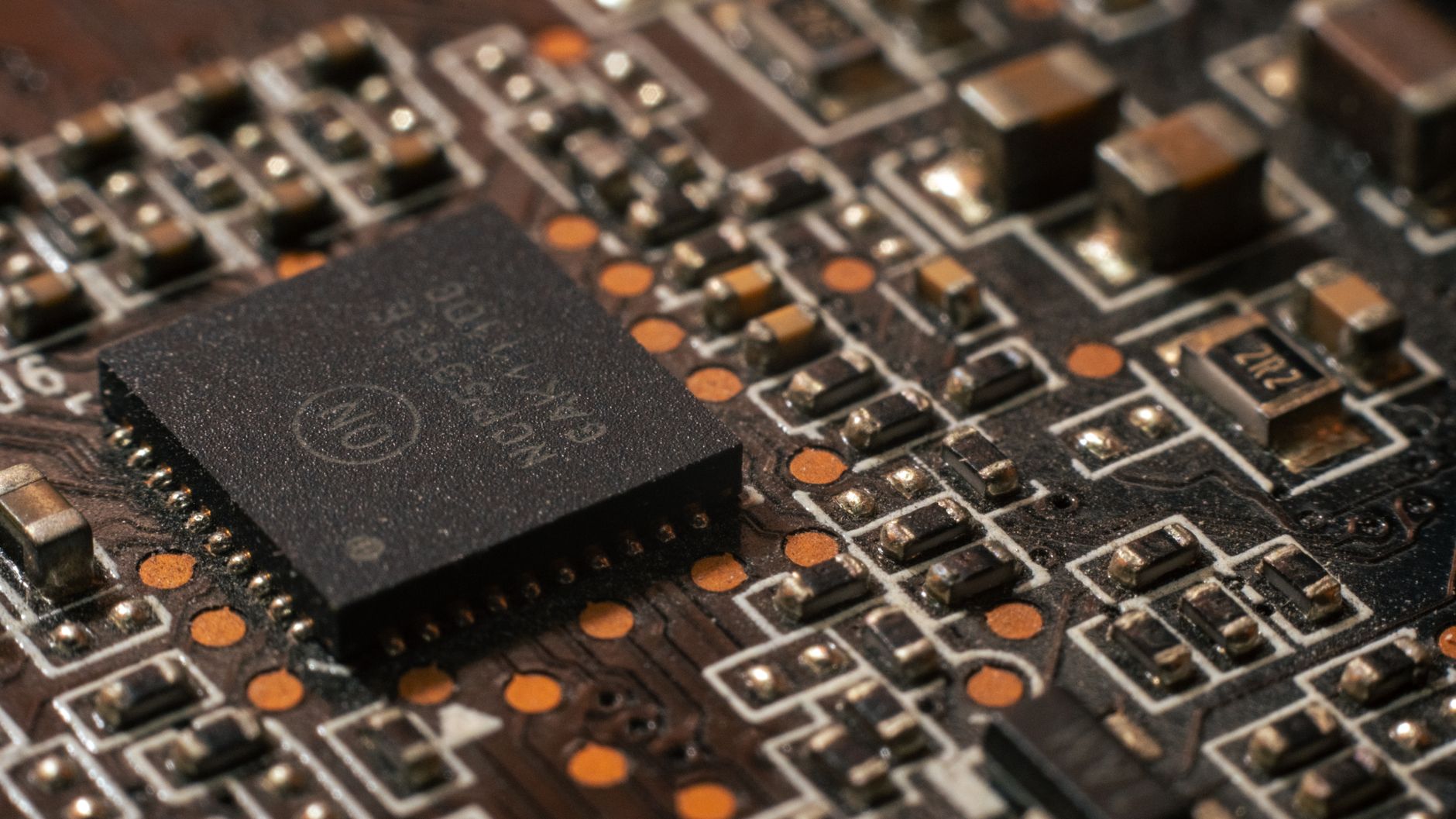
AI chip innovation is at the forefront of technological advancement. Alibaba recently unveiled a new AI chip, outlining plans to develop larger models that promise enhanced performance.
Introduction to AI Chip Innovation
The rapid advancement of technology has led to significant breakthroughs in the field of artificial intelligence, particularly in AI chip innovation. Companies across the globe are investing heavily in developing specialized chips that enhance the performance of AI applications. These chips are designed to process vast amounts of data quickly and efficiently, enabling faster and more sophisticated machine learning algorithms.
One notable example is Alibaba’s recent unveiling of a new AI chip, which aims to optimize their AI capabilities in various sectors, including e-commerce and cloud computing. This move not only demonstrates their commitment to AI chip innovation but also highlights the competitive landscape in which tech giants operate.
As the demand for AI technologies continues to rise, the focus on creating more powerful and efficient chips is crucial. Companies are exploring various strategies to stay ahead in this rapidly evolving market, such as:
- Investing in research and development
- Forming strategic partnerships
- Adopting sustainable manufacturing practices
Alibaba’s New AI Chip Features
Alibaba has recently unveiled its latest AI chip, showcasing significant advancements in technology aimed at enhancing artificial intelligence capabilities. The new chip is designed to optimize performance while reducing energy consumption, a crucial factor in the era of AI chip innovation.
Key features of Alibaba’s AI chip include:
- Improved Processing Power: The chip boasts a higher processing capacity, allowing for faster data analysis and machine learning tasks.
- Energy Efficiency: Innovations in design have led to a notable decrease in power usage, making it more sustainable for large-scale deployments.
- Scalability: The chip can easily integrate with existing infrastructures, providing flexibility for businesses looking to implement AI solutions.
Alibaba’s initiative not only underscores its commitment to AI chip innovation but also positions the company as a formidable competitor in the global tech landscape. As they outline plans for even larger models, industry experts anticipate significant impacts on various sectors, including cloud computing and data analytics.
Impact on AI Models
The recent advancements in AI chip innovation have significant implications for the performance and efficiency of AI models. As companies like Alibaba unveil new AI chips, the architecture and capabilities of these chips play a crucial role in shaping the future of machine learning and artificial intelligence.
One of the primary impacts is the enhanced processing power that allows for more complex algorithms and larger datasets to be handled seamlessly. This results in:
- Improved speed: Faster processing leads to quicker training times for AI models, making them more effective in real-world applications.
- Increased accuracy: With better hardware, AI systems can analyze data more thoroughly, reducing errors and improving overall performance.
- Energy efficiency: Newer chips are designed to consume less power, which is particularly important for scaling AI technologies sustainably.
As these innovations continue to evolve, the landscape of AI modeling will undoubtedly change, leading to breakthroughs in various industries.
Future of AI Technology
The future of AI technology is poised for remarkable advancements, particularly with the ongoing evolution of AI chip innovation. As companies like Alibaba lead the way in developing specialized hardware, the potential for superior performance in AI applications becomes increasingly apparent.
Experts predict several key trends that will shape this landscape:
- Increased Efficiency: Future AI chips are expected to deliver enhanced processing power with lower energy consumption, optimizing resource usage.
- Integration of Quantum Computing: The merging of quantum technologies with traditional AI chips could revolutionize data processing capabilities.
- Focus on Specialized Architectures: As AI applications diversify, chips designed for specific tasks, such as natural language processing or image recognition, will become more prevalent.
- Global Collaboration: Collaborative efforts among tech giants and academic institutions will drive innovation, paving the way for breakthroughs in AI chip design.
These strategies will not only enhance the functionality of AI systems but also accelerate the pace of innovation in the industry.
Conclusion and Industry Implications
In conclusion, the advancements in AI chip innovation are set to redefine the landscape of artificial intelligence and its applications. As demonstrated by Alibaba’s latest offerings, the integration of superior processing capabilities within AI chips enhances the performance of complex models, ultimately driving greater efficiency and effectiveness.
Industry implications are significant, as companies across various sectors will need to adapt to these technological changes. The following strategies can help businesses leverage AI chip innovation:
- Invest in Research and Development: Prioritizing R&D will enable organizations to stay ahead of competitors in adopting cutting-edge technologies.
- Collaborate with Tech Leaders: Partnerships with industry leaders can provide access to advanced technologies and expertise.
- Focus on Scalability: Building scalable solutions will ensure that companies can grow alongside emerging AI capabilities.
As the AI landscape evolves, embracing these strategies will be crucial for sustained success in harnessing the power of AI chip innovation.
Photo by Ivan Chumak on Pexels