






The best firewood to burn in Wyoming can significantly enhance your heating experience. With various tree types available, knowing which wood burns efficiently is essential for warmth and comfort during the cold months.
Understanding Firewood Types
When selecting the best firewood to burn in Wyoming, it is essential to understand the different types of firewood available. Each type varies in terms of heat output, burn time, and aroma, influencing the overall experience. Here are some popular options:
- Pine: Known for its easy ignition and pleasant scent, pine produces a quick, hot fire. However, it burns faster and may create more creosote buildup in chimneys.
- Fir: Fir wood offers a good balance of heat and burn time. It has a moderate aroma and is less resinous than pine, making it a popular choice for many.
- Spruce: Spruce is similar to pine in terms of burning characteristics. It lights easily but tends to burn quickly, making it best for immediate warmth.
- Cottonwood: While less common, cottonwood can be used as a firewood option. It burns with a low heat and produces a lot of smoke, making it less desirable for indoor use.
Understanding these types can help you choose the best firewood to burn for your specific needs, ensuring a cozy and efficient fire.
Why Wood Choice Matters
When it comes to enjoying a warm fire in Wyoming, the best firewood to burn plays a crucial role in determining the quality and efficiency of your experience. The type of wood you select not only influences the heat output but also impacts the smoke production and the overall ambiance of your fire.
Different wood species have varying characteristics that can affect burning performance. For instance, hardwoods like oak and hickory tend to produce a longer-lasting and hotter fire, while softwoods such as pine and fir ignite quickly and burn faster. However, softwoods can also create more creosote, leading to potential chimney issues over time.
Additionally, moisture content is vital in wood selection. Well-seasoned firewood, with a moisture content of less than 20%, will burn more efficiently and produce less smoke. On the other hand, burning green or unseasoned wood can result in excessive smoke and lower heat output.
In summary, choosing the right wood is essential for maximizing heat, minimizing smoke, and ensuring a pleasant fire experience. Understanding the properties of different types of firewood will help you make informed decisions for your winter fires.
Comparing Burning Efficiency
When selecting the best firewood to burn, understanding burning efficiency is crucial. Different wood types offer varied levels of heat output and burn duration, affecting both comfort and cost-effectiveness.
Here are some popular options found in Wyoming:
- Pine: This wood ignites quickly and produces a pleasant aroma. However, it tends to burn faster and is best used for kindling or short, hot fires.
- Fir: Fir wood is known for its decent burning efficiency and moderate heat output. It provides a steady flame, making it a solid choice for longer burns.
- Spruce: Similar to pine, spruce ignites easily but burns quickly. It is ideal for those looking for a quick and hot fire.
- Cottonwood: Although not the most efficient, cottonwood can be a good choice for those looking for a lower-cost option. It burns cooler and faster, making it suitable for shorter gatherings.
Ultimately, the choice of firewood can significantly impact your experience, so consider both the type and efficiency when determining the best firewood to burn for your needs.
Environmental Impact of Firewood
The environmental impact of firewood selection is a critical consideration for anyone looking to find the best firewood to burn. Different wood types not only affect heat output but also influence emissions and sustainability.
When choosing firewood, it is essential to consider the following factors:
- Carbon Footprint: Burning wood releases carbon dioxide, but sustainably sourced firewood can be a carbon-neutral option if harvested responsibly. Choosing local varieties helps minimize transportation emissions.
- Air Quality: Some woods produce more smoke and particulates than others, which can contribute to air pollution. Hardwoods like oak and maple tend to burn cleaner than softwoods such as pine and fir.
- Habitat Preservation: Overharvesting certain tree species can lead to habitat loss for local wildlife. Sustainable practices, such as selective logging, are vital for maintaining ecological balance.
- Renewability: Opting for firewood from renewable sources ensures that forest resources are not depleted. This is crucial for maintaining biodiversity and promoting forest health.
By making informed choices, consumers can enjoy the warmth of a fire while minimizing their ecological footprint.
Cost Analysis of Firewood
When considering the best firewood to burn, cost is an essential factor that can influence your choice. The price of firewood can vary significantly depending on the type, availability, and region within Wyoming.
Here’s a breakdown of the average costs associated with different types of firewood:
- Pine: Generally affordable, pine can range from $150 to $200 per cord. It ignites quickly but burns faster, meaning you may need to purchase more over time.
- Fir: Fir is slightly pricier at around $200 to $250 per cord. It provides a longer burn time, making it a more economical choice in the long run.
- Spruce: Similar to fir, spruce costs about $200 per cord. While it burns efficiently, it produces more smoke than other options.
- Cottonwood: Although less popular, cottonwood can be found for $100 to $150 per cord. It burns quickly and may not be suitable for heating, but it’s a budget-friendly option for campfires.
Ultimately, weighing the cost alongside burning efficiency and desired heat output will help you determine the best firewood for your needs.
Best Practices for Storing Firewood
When it comes to selecting the best firewood to burn, proper storage is crucial for maintaining its quality and ensuring an efficient burn. Here are some best practices for storing firewood:
- Choose the Right Location: Store firewood in a dry, well-ventilated area. Avoid placing it directly on the ground to prevent moisture absorption from the soil.
- Cover It Up: Use a tarp or a dedicated firewood cover to protect your wood from rain and snow. Ensure that the cover allows for airflow to prevent mold.
- Stacking Method: Stack firewood in a way that promotes air circulation. Crisscross stacking can help in achieving better airflow and quicker drying.
- Seasoning Time: Allow your firewood to season for at least six months to a year, depending on the type. Well-seasoned wood burns more efficiently and produces less smoke.
- Keep It Off the Ground: Use pallets or firewood racks to keep your wood elevated, aiding in air circulation and protecting it from pests.
By following these storage practices, you can ensure that your firewood is ready for use when you need it most.
Local Sources for Firewood
When searching for the best firewood to burn in Wyoming, local sources play a crucial role in ensuring you get quality wood that suits your needs. Here are some popular options for sourcing firewood in the region:
- Local Lumber Yards: Many lumber yards offer a selection of seasoned firewood. They often carry a variety of species, making it easy to find the best fit for your fireplace.
- Firewood Dealers: Established firewood dealers typically provide a range of options, including hardwood and softwood varieties. Check for those who sell seasoned and properly split wood.
- Farmers Markets: Local farmers markets can be a great place to find firewood. Vendors often sell firewood alongside other products, and you may find unique local species.
- Online Marketplaces: Websites and apps like Craigslist or Facebook Marketplace allow individuals to sell firewood directly. You can often find good deals from local sellers.
- Tree Services: After tree removal or trimming, many tree services offer firewood at a lower cost. This can be a sustainable option, as you’re recycling local resources.
By exploring these local sources, you can find the best firewood to burn while supporting the community.
Safety Tips for Burning Wood
When burning wood, safety should always be a priority to ensure a pleasant experience. Here are some essential safety tips for enjoying your firewood:
- Use Seasoned Firewood: Always opt for seasoned firewood, as it burns more efficiently and produces less smoke, ensuring a cleaner burn.
- Check for Pests: Before using any firewood, inspect it for pests or insects that can invade your home. This is especially important when using local sources for firewood.
- Maintain Proper Ventilation: Ensure your fireplace or wood stove is well-ventilated to prevent the buildup of harmful gases.
- Monitor the Fire: Never leave a fire unattended. Always keep an eye on it, especially when children or pets are nearby.
- Have Extinguishing Tools Ready: Keep a fire extinguisher, bucket of water, or sand nearby in case of emergencies.
- Be Mindful of the Environment: Choose the best firewood to burn, like hardwoods that produce less smoke and are more environmentally friendly.
By following these tips, you can enjoy the warmth and ambiance of your firewood while ensuring safety for you and your home.
When selecting the best firewood to burn in Wyoming, it’s essential to consider both heat output and availability. Local experts agree that the best firewood to burn includes species like aspen and oak for their efficiency and low smoke emissions.
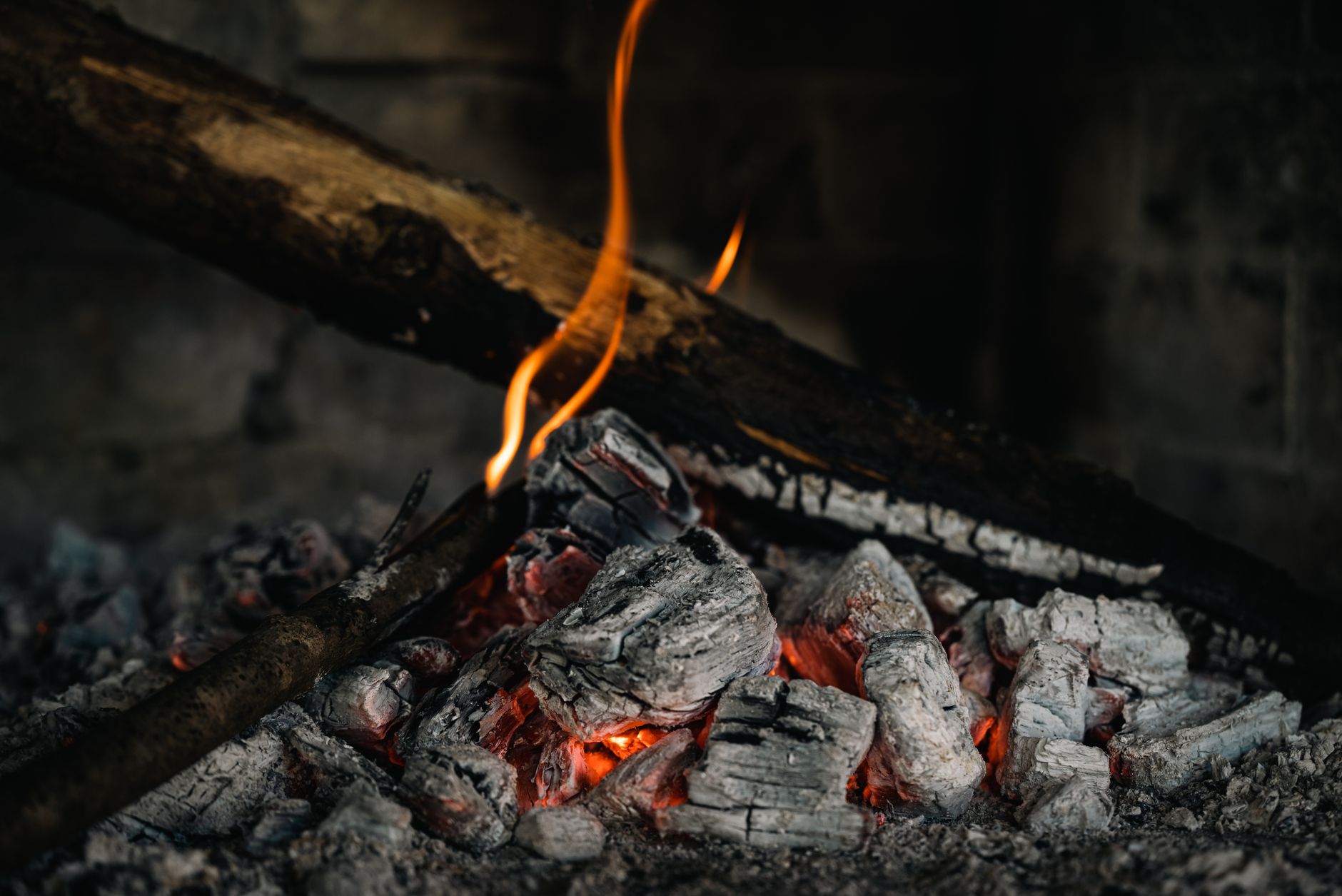
Photo by Chris F on Pexels