


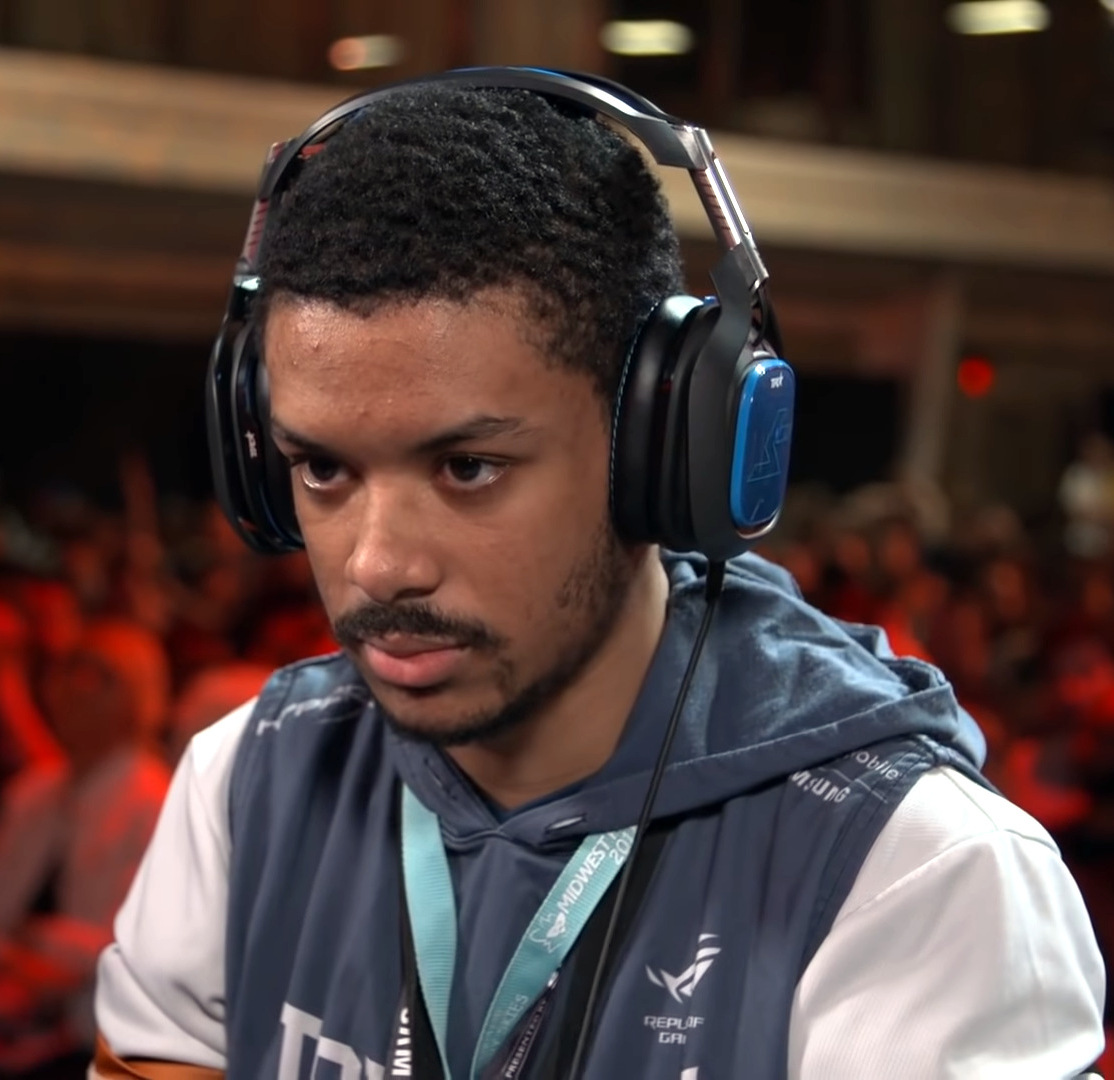
SonicFox contract cancellation has sparked significant debate in the gaming community. The decision comes after a gaming convention used their likeness in an AI-generated poster without consent.
What Led to the SonicFox Contract Cancellation?
The recent SonicFox contract cancellation has sparked significant discussion within the gaming community. This decision arose after a popular gaming convention utilized the likeness of the renowned player in an AI-generated poster without prior consent. SonicFox, a prominent figure in the esports world, has always been vocal about issues related to representation and consent, making this incident particularly contentious.
Many fans and industry insiders have expressed their support for SonicFox, citing the importance of respecting individual rights in the digital age. The use of AI technology in generating promotional materials raises ethical questions, especially when it involves the identities of well-known personalities.
Key factors contributing to this decision include:
- Lack of Communication: SonicFox reported that there was no prior discussion regarding the use of their image.
- Ethical Considerations: The use of AI to create content without consent poses serious ethical dilemmas.
- Industry Standards: Many believe that respecting the likeness and brand of individuals should be a standard practice.
As the situation unfolds, it remains to be seen how this cancellation will impact SonicFox’s future engagements in the gaming sector.
The Impact of AI on Gaming Events
The rise of artificial intelligence in the gaming industry is reshaping how events are organized and marketed. One significant consequence of this technological shift is the potential for misunderstandings and conflicts, as seen in the recent SonicFox contract cancellation. The use of AI to generate promotional materials, such as posters, raises questions about ownership and representation in gaming culture.
Many gamers and influencers are concerned about how their likenesses and brands are used without consent. The incident involving SonicFox highlights the need for clearer guidelines regarding AI-generated content and the rights of individuals within the gaming community. As AI tools become more sophisticated, the risk of misrepresentation increases.
Furthermore, this situation has broader implications for gaming events:
- Trust Issues: Gamers may feel less inclined to participate in events if they believe their image can be used without permission.
- Legal Challenges: The industry may face increased legal scrutiny regarding copyright and likeness rights.
- Community Response: Fans and players might rally around figures like SonicFox, emphasizing the importance of respecting personal brand identity.
Ultimately, the intersection of AI and gaming events must foster dialogue to ensure ethical practices are upheld.
SonicFox’s Response to the Controversy
SonicFox, a prominent figure in the esports community, responded to the recent controversy surrounding their contract cancellation with a major gaming convention. The decision stemmed from the convention’s use of SonicFox’s likeness in an AI-generated poster without prior consent, raising significant ethical questions about representation and the use of digital identities.
In a statement shared on social media, SonicFox expressed their disappointment, highlighting the importance of respecting an individual’s image and identity in the gaming industry. They emphasized that such practices could undermine the trust between gamers and event organizers. SonicFox stated, “It feels wrong to have my likeness used without permission, especially in a medium that is still evolving and often misrepresents our community.”
The cancellation of the contract has sparked discussions among fans and fellow gamers regarding the ramifications of using AI technology in promotional materials. Many supporters have rallied behind SonicFox, viewing the contract cancellation as a stand against exploitation in the gaming world. As the community grapples with these changes, SonicFox’s actions may serve as a catalyst for broader conversations about rights and representation in esports.
Future of Contracts in the Gaming Industry
The recent SonicFox contract cancellation has sparked a broader conversation about the future of contracts in the gaming industry. As the landscape evolves, the relationship between content creators and event organizers is being tested like never before.
Many professionals in the gaming community are beginning to rethink the terms of their agreements. With the rise of artificial intelligence, there is a growing concern over how likenesses and personal brands are utilized without consent. This incident highlights the need for clearer guidelines and protections for individuals involved in gaming.
Experts suggest that the following changes may be necessary:
- Stricter Contractual Obligations: Contracts should explicitly define the use of a creator’s likeness and the implications of AI-generated content.
- Transparency in Partnerships: Event organizers must be more transparent about how they plan to use individuals’ images for promotional materials.
- Creator Advocacy: Increased support for creators to voice concerns and negotiate terms that protect their interests.
As the fallout from the SonicFox contract cancellation continues, it may serve as a pivotal moment for redefining industry standards and fostering a more equitable environment for all stakeholders involved.
The recent SonicFox contract cancellation has left many fans questioning the future of the esports scene. Some analysts believe that the SonicFox contract cancellation could have long-term implications for player sponsorships.
via Wikimedia Commons